
SAYA BIANKA
SAYA BIANKA
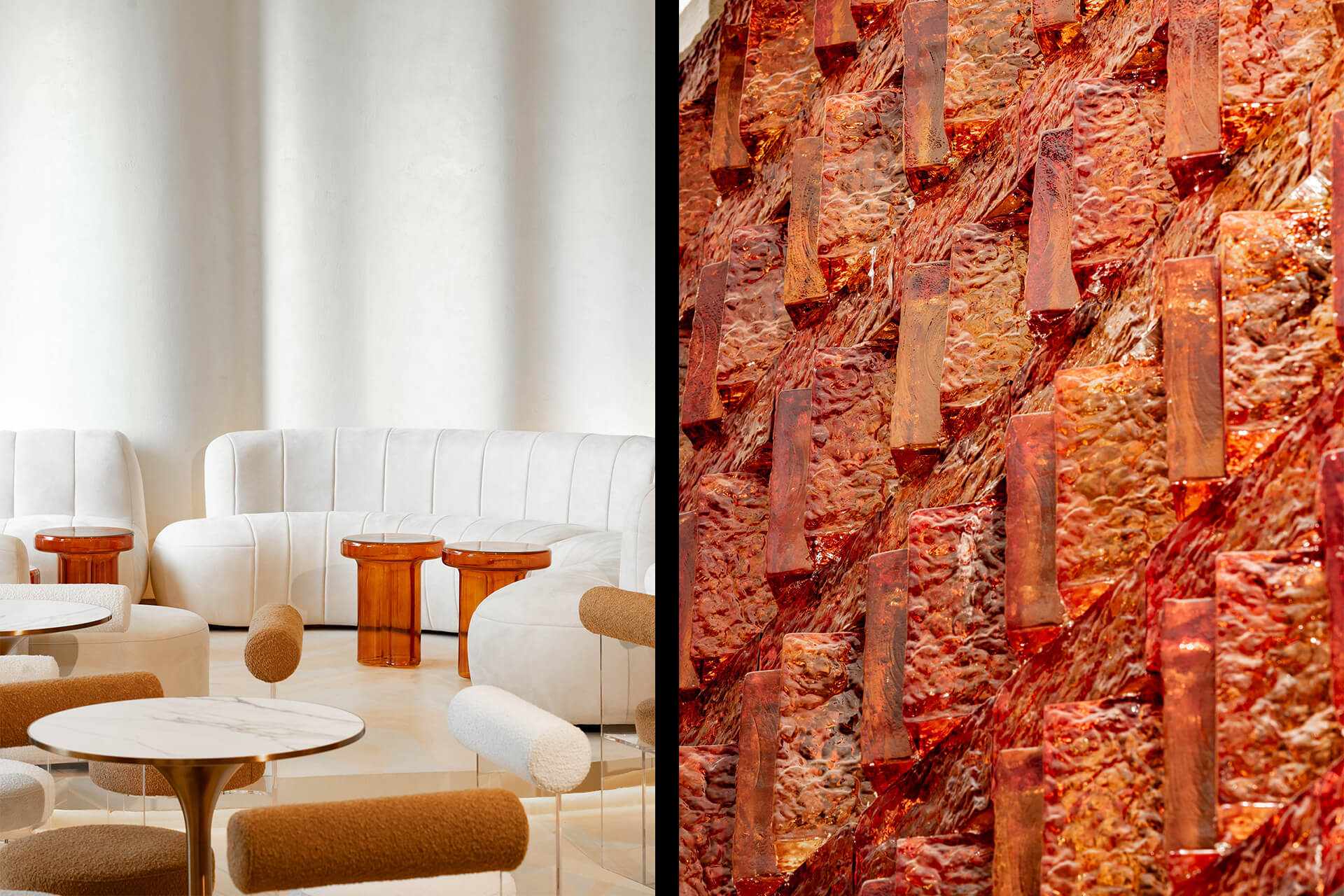
Расположенное в Nad Al Sheba Mall в Дубае, это пространство — наше видение сочетания ретро-футуристичной эстетики с уютной атмосферой любимой пекарни. Мы наполнили интерьер тёплыми карамельными и кремовыми оттенками, создав атмосферу, которая буквально окутывает ощущением тепла.
Главной особенностью пространства стал декор в форме «круассана»: от скульптурных потолочных инсталляций до деликатных деталей по всему интерьеру. Фирменный персонаж-медвежонок добавляет игривости, а округлая мебель и глянцевые янтарные кресла передают текстуру растопленной карамели.
SAYA — это место, где брендинг и дизайн объединяются в единый незабываемый опыт.




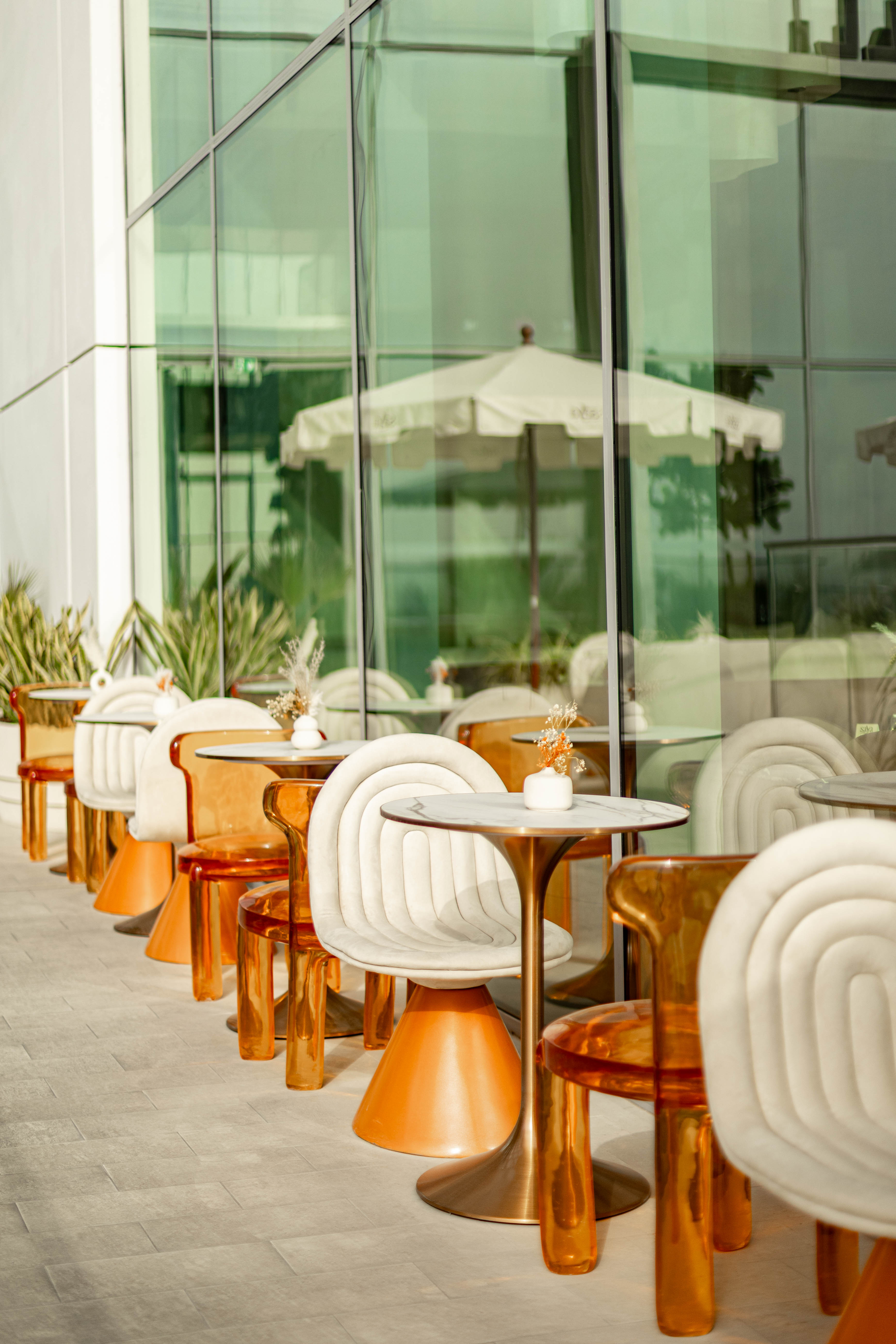
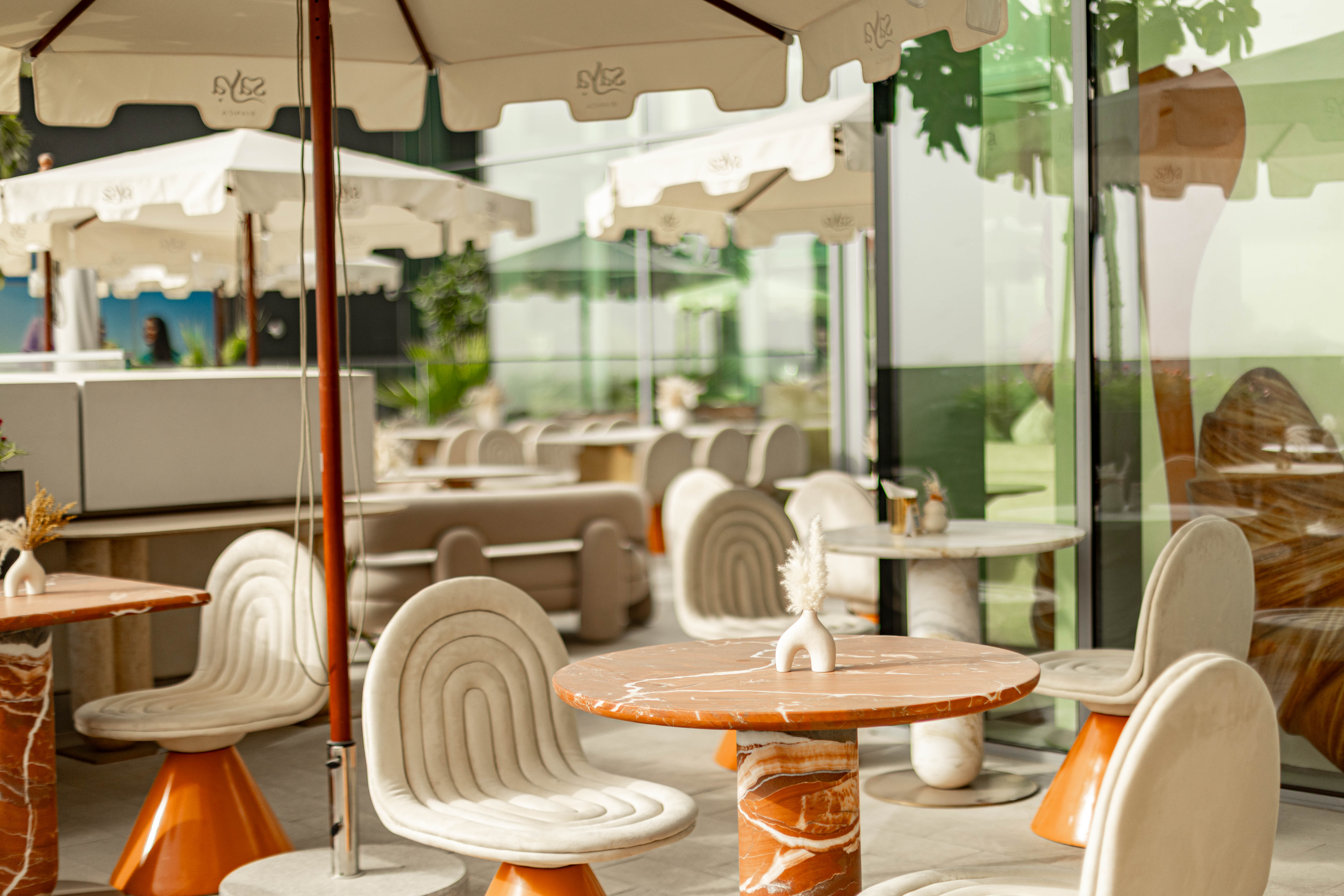
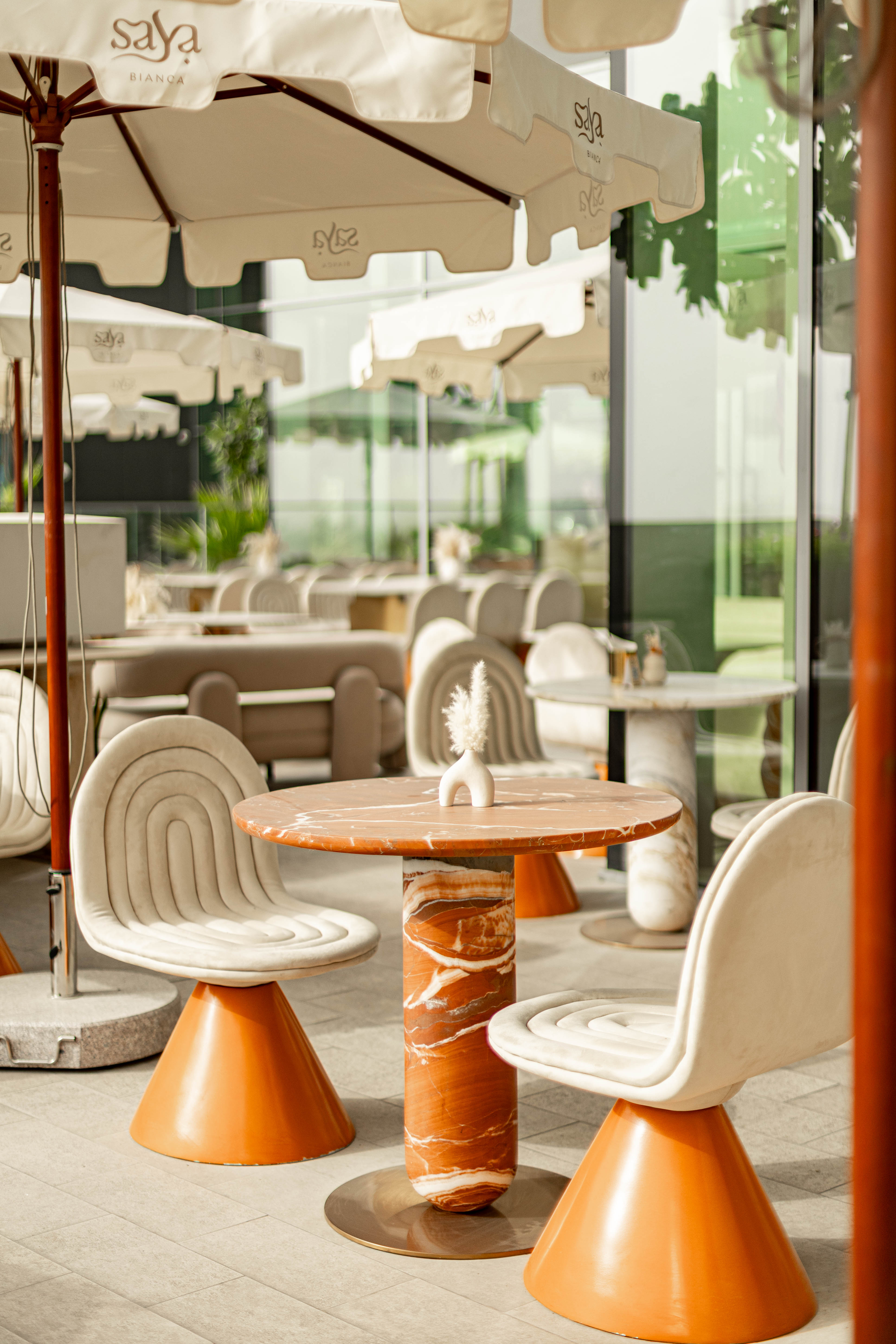
Терраса SAYA в Nad Al Sheba Mall стала естественным продолжением нашей «карамельной» концепции под открытым небом. Мы стремились создать пространство, где ритм города замедляется, уступая место расслабленной и гостеприимной атмосфере.
.jpg)


О проекте в цифрах
Step-by-step process that ensures flawless results
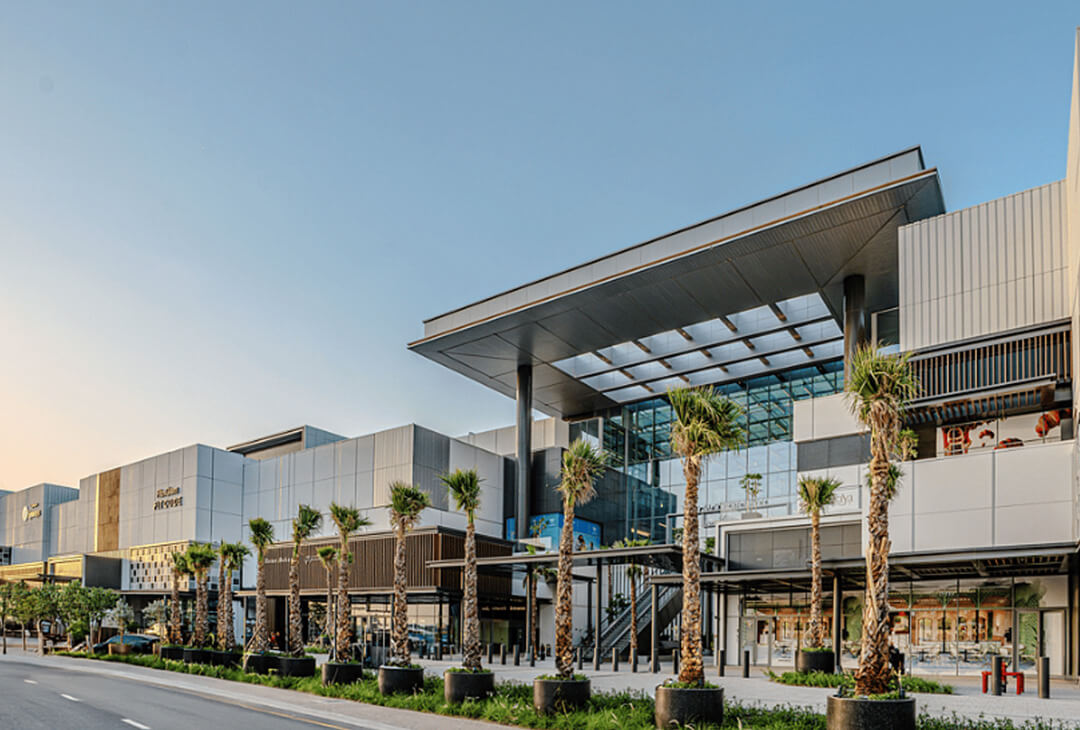
01.Workshop:
Погружение в пространство
Проект начался с этапа «Workshop» — глубокого погружения в контекст и цели будущего пространства. Это не просто вводная встреча, а комплексное исследование локации: мы анализируем инженерные системы, особенности расположения, технические ограничения, задачи дизайна и потребности целевой аудитории. На этом этапе также собираются референсы — примеры интерьеров, фактуры и материалы, а совместная работа с заказчиком и его командой помогает сформировать чёткое видение будущего пространства.
В начале работы ресторан уже функционировал, но требовал полного обновления дизайна. Заказчик передал нам предыдущий проект, что позволило быстро включиться в процесс, временно отложив выездные замеры.
Несмотря на это, на раннем этапе мы совершили поездку в Дубай, чтобы лично почувствовать пространство, выполнить собственные замеры и зафиксировать все особенности с помощью фото- и видеоматериалов. Хотя этот выезд не был обязательным условием для начала работы, физическое присутствие на объекте помогло лучше понять атмосферу и потенциал помещения. В результате мы получили точные данные о пространстве, которые впоследствии были проверены и переведены в рабочую документацию.


02.Concept:
Эволюция концепции
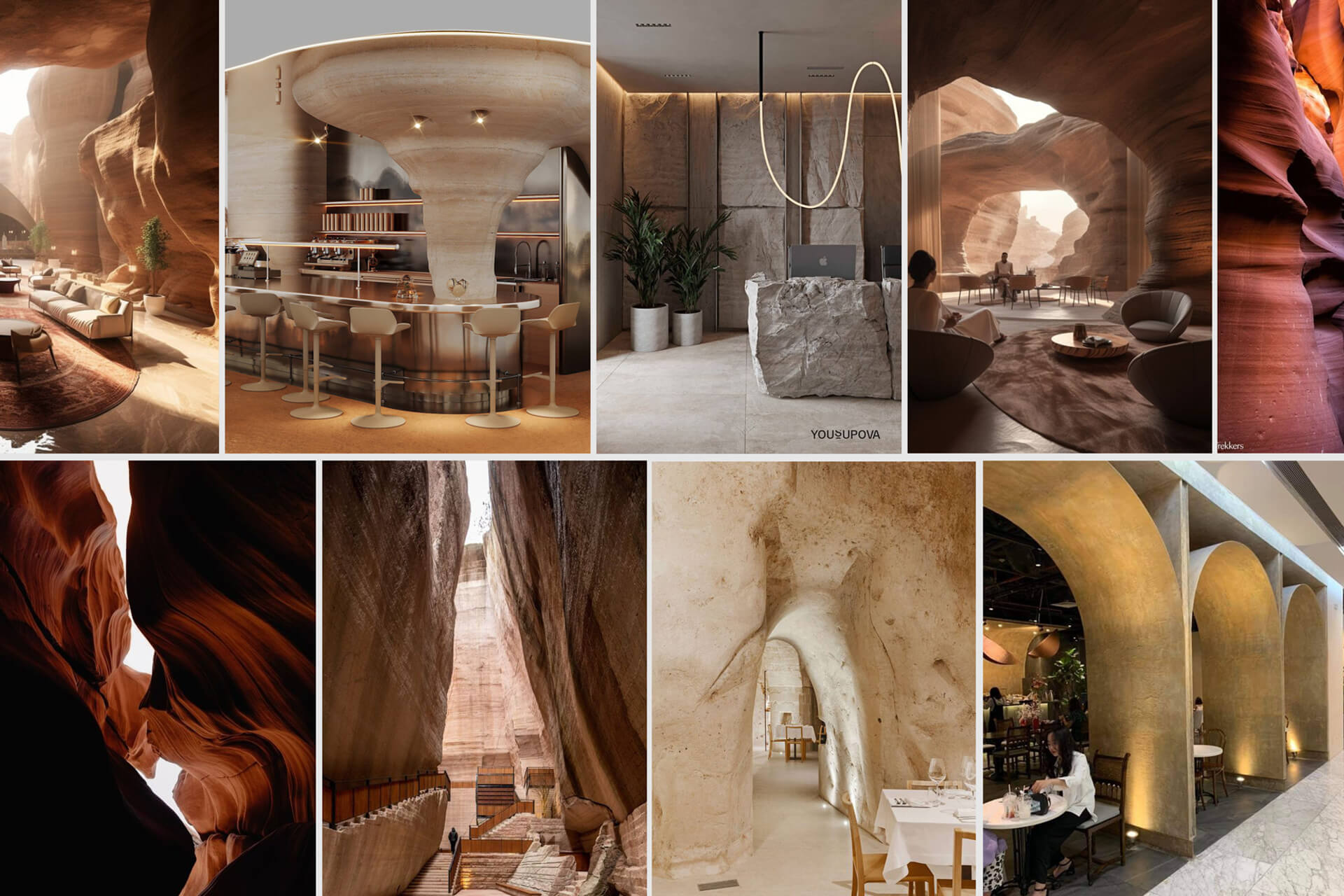
Концепция ресторана претерпела две значительные трансформации. Первоначальное видение — сочетание природных форм пустынных скал с высокотехнологичными элементами интерьера — получило высокую оценку заказчика. Однако после встреч с инвесторами было принято решение отказаться от прямого использования скальной тематики и исследовать альтернативные подходы к оформлению стен.
Проект вернулся к этапу переосмысления. В результате интерьер стал более лёгким, а главный акцент сместился на пластику стен — минималистичные, чистые по форме поверхности, которые деликатно напоминают текстуру теста или переосмысливают первоначальную идею скальных фактур. Фирменным элементом пространства стали масштабные инсталляции в виде выпечки — в частности круассанов, размещённые в разных зонах интерьера. Также в дизайн были интегрированы яркие акриловые элементы с подсветкой, полупрозрачная акриловая мебель, шлифованная нержавеющая сталь и авторские фигурки, вдохновлённые известной эстетикой KAWS, но переосмысленные в собственной уникальной стилистике.
Вторая трансформация концепции касалась цветовой палитры. Мы решили перейти к более монохромной схеме, уменьшив количество ярких и насыщенных акцентов. Светящиеся акриловые элементы остались в интерьере, но стали более сдержанными и «спокойными», что позволило создать более утончённую и сбалансированную атмосферу.


Мы начали разработку интерьера, как и всегда, с подготовки нескольких вариантов планировочных решений. Потребовалось несколько итераций и встреч с заказчиком, чтобы выбрать наиболее подходящий вариант и доработать его до финального решения. На этапе планирования мы также подготовили несколько 3D-схем, которые помогли заказчику лучше понять объём пространства и увидеть, как именно планировочные решения будут влиять на будущий интерьер.

После утверждения планировки мы перешли к этапу визуализации. На этом этапе автор проекта уже имеет чёткое видение будущего интерьера и работает над тем, чтобы максимально точно передать его визуализатору, который создаёт фотореалистичную 3D-модель пространства. Подготовка и передача задания на визуализацию может занимать около недели или немного больше — в зависимости от масштаба проекта.
Автор подбирает все необходимые модели мебели в соответствии с концепцией или, если подходящих вариантов нет, привлекает 3D-моделлера для их создания. Основные элементы интерьера описываются в общих чертах — барные стойки, встроенная мебель, крупные декоративные конструкции. Также разрабатывается предварительный план освещения и напольных покрытий — всё, что необходимо визуализатору для точного воссоздания будущего вида пространства. Мы успешно прошли этот этап и получили первую версию 3D-визуализаций.

03.Development:
Рабочая документация и техническая координация
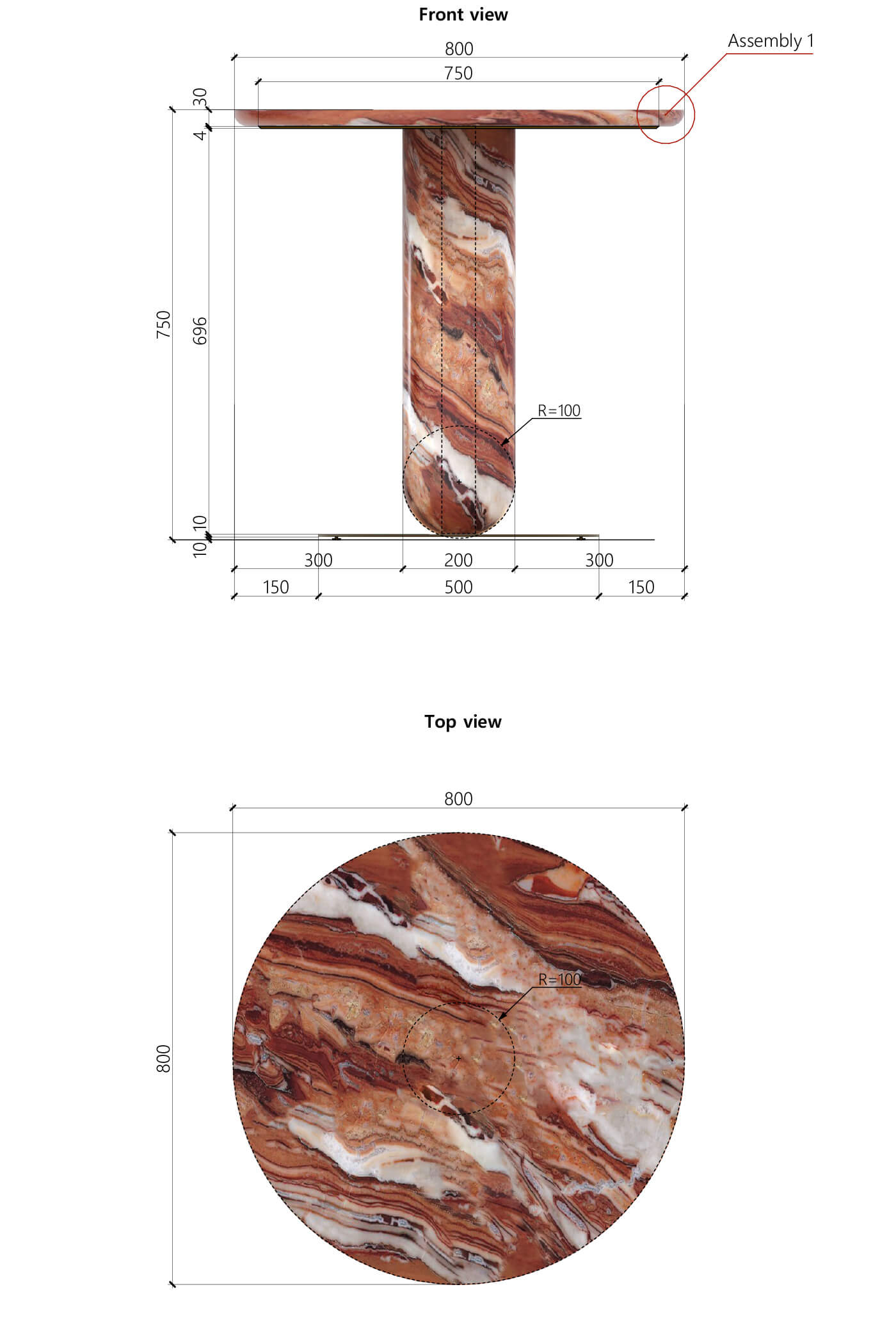
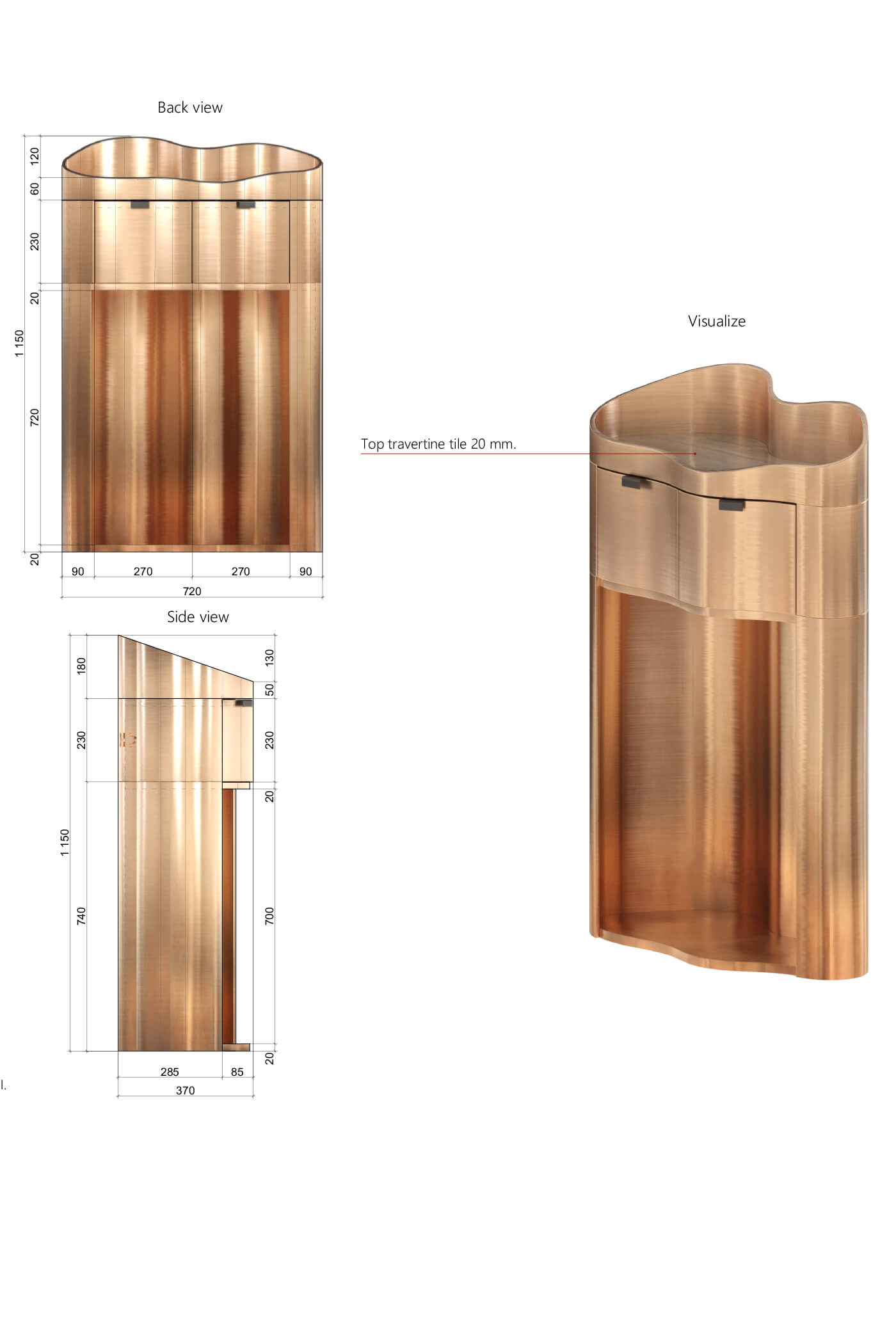
После утверждения финальной 3D-визуализации ресторана мы переходим к следующему ключевому этапу — разработке рабочей документации. Это детальный и точный процесс, в ходе которого мы прорабатываем весь объём пространства: от общего зонирования до мельчайших конструктивных узлов и декоративных элементов. Главная цель этого этапа — предоставить строителям, инженерам и подрядчикам максимально точную и полную информацию, необходимую для качественной реализации проекта.
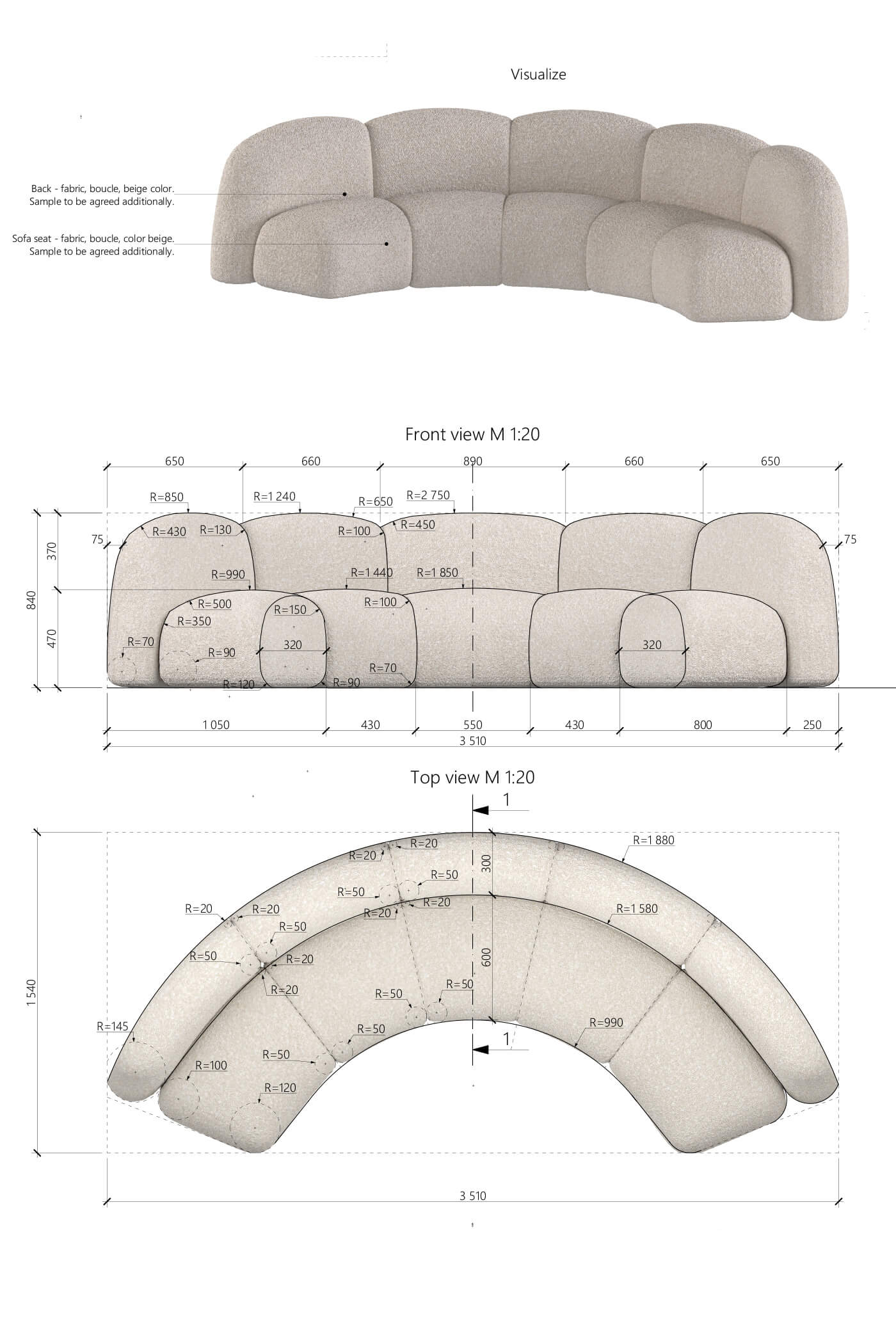
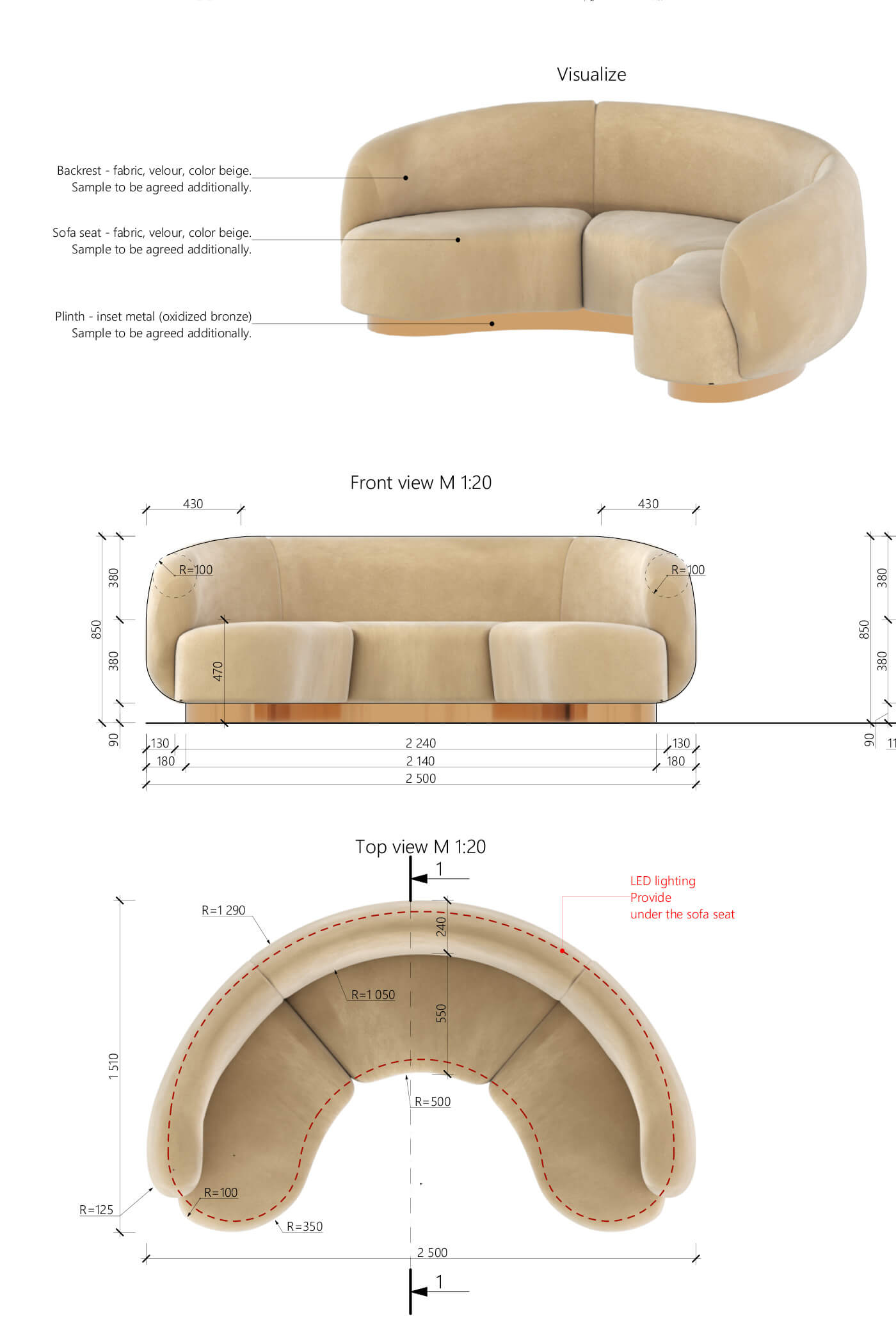
Мы разрабатываем полный комплект чертежей, включающий планы, разрезы, развёртки, детализацию мебели, схемы освещения, раскладки напольных покрытий, размещение оборудования, а также спецификации материалов и отделки. Вся документация сопровождается пояснительными записками, чтобы каждый участник процесса чётко понимал концепцию и мог корректно выполнить свою часть работы.
Чертежи разрабатываются в тесной координации с инженерными специалистами — архитекторами, специалистами по вентиляции и кондиционированию, электриками, сантехниками и представителями других смежных направлений. Мы регулярно проводим встречи и рабочие сессии, чтобы согласовывать решения, находить оптимальные технические варианты и сохранять целостность дизайн-концепции.
Кроме того, в процессе подготовки рабочей документации отдельные элементы дизайна часто требуют уточнения или адаптации в соответствии с техническими ограничениями пространства. Наша задача — обеспечить, чтобы финальный результат не только соответствовал эстетике проекта, но и был реалистичным, безопасным и технически обоснованным.


04.Implementation:
Реализация и координация на строительной площадке
На этапе реализации мы тесно работаем с заказчиком и руководителем строительства — помогаем в выборе отделочных материалов, проверяем образцы, координируем работу с подрядчиками и предоставляем дополнительную информацию, выходящую за рамки уже подготовленной проектной документации.


Мы решаем вопросы, возникающие в процессе строительства, и проверяем чертежи подрядчиков, чтобы убедиться в их соответствии первоначальной дизайн-концепции. Большая часть коммуникации проходит онлайн — в специальных рабочих чатах и во время видеовстреч. В этом проекте мы ежедневно получали фотографии со строительной площадки и оперативно отвечали на все вопросы, возникающие в процессе реализации.
Наша ключевая роль на этом этапе — контролировать, чтобы реализация проекта соответствовала первоначальной концепции, сохраняя её основные идеи, функциональность, комфорт и визуальную целостность. Ответственность за техническое выполнение, скрытые работы и общий процесс строительства остаётся за руководителем строительства и подрядчиками.


Project showreel